Finance 101: A Beginner's Guide to Managing Money


Understanding Your Income and Expenses
Managing your finances begins with understanding your income and expenses. Start by calculating your total monthly income from all sources. This will give you a clear picture of how much money you have at your disposal.
Next, list all your monthly expenses, categorizing them into essentials like rent, utilities, groceries, and discretionary spending such as dining out or entertainment. This helps you identify areas where you might be overspending.
Creating a Budget
Once you understand your financial position, the next step is to create a budget. A budget is a plan that outlines your expected income and expenses over a specific period. It helps you allocate funds efficiently, ensuring that you live within your means.
Start by setting financial goals. Whether it's saving for a vacation or building an emergency fund, having clear objectives will motivate you to stick to your budget. Use tools like spreadsheets or budgeting apps to track your spending and make adjustments as needed.
Saving and Investing
Saving is an essential part of financial management. Aim to save at least 20% of your monthly income. This can be directed towards an emergency fund, retirement savings, or other financial goals.
Investing is equally important and can help you grow your wealth over time. Consider starting with low-risk investments, such as index funds or bonds, before exploring more aggressive options. Always research and, if necessary, consult with a financial advisor.

Understanding Debt
Debt can be a significant obstacle to financial well-being if not managed carefully. Begin by listing all your debts and their interest rates. Prioritize paying off high-interest debts first to minimize the amount you pay over time.
Consider strategies like the snowball or avalanche method to tackle debt efficiently. Avoid taking on new debt unless absolutely necessary, and always make more than the minimum payment whenever possible.
Building Credit
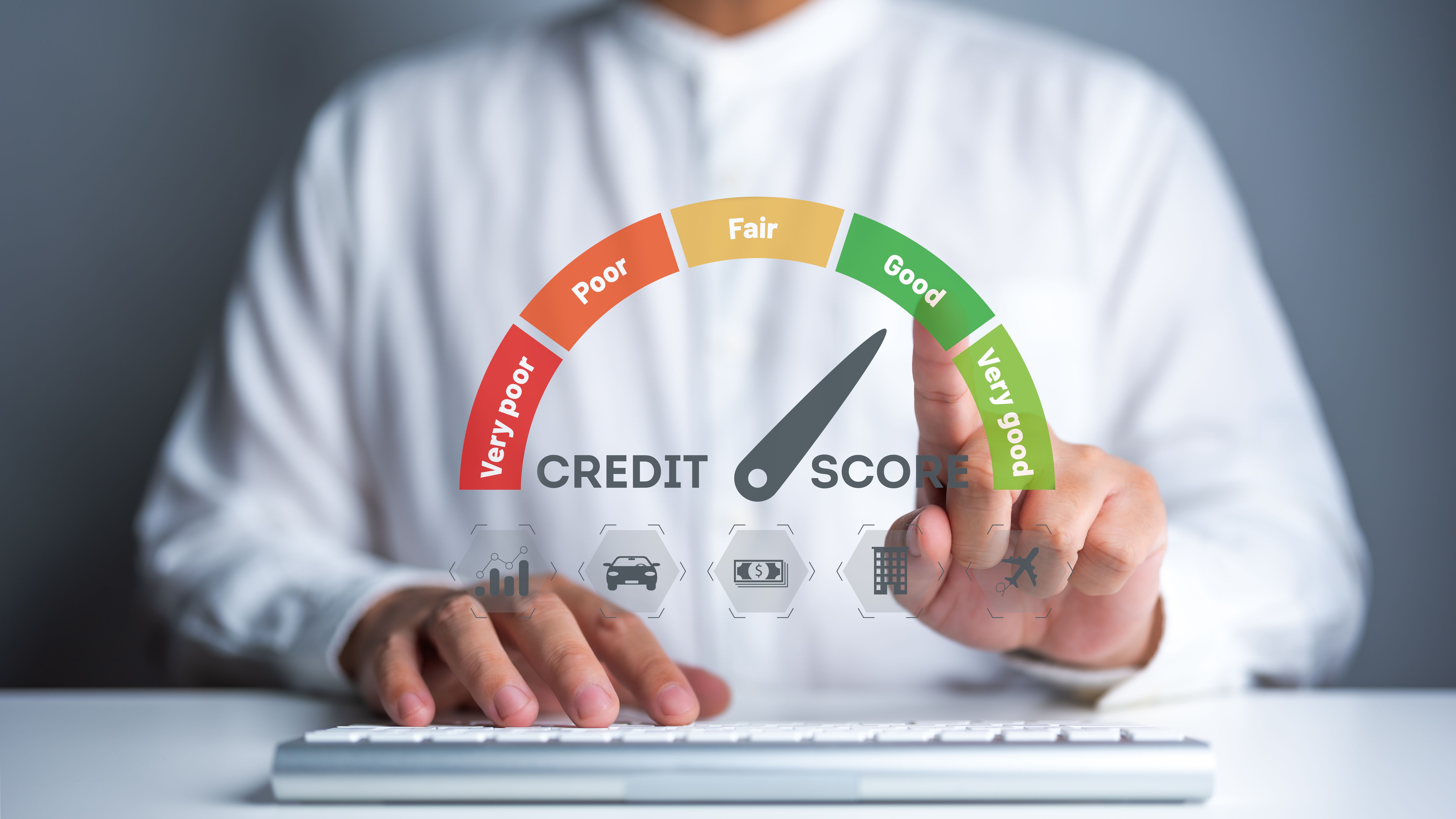
Your credit score is crucial for securing loans and favorable interest rates. To build or maintain a strong credit score, pay your bills on time, keep credit card balances low, and avoid opening too many new accounts at once.
Regularly check your credit report for errors and dispute any inaccuracies. A good credit score can open doors to better financial opportunities and savings.
Planning for the Future
Financial planning isn't just about the present; it's also about the future. Consider your long-term goals, such as buying a home, starting a family, or retiring comfortably. Start planning early by investing in retirement accounts like a 401(k) or IRA.
Review your financial plan regularly and adjust it as your life circumstances change. Remember, financial management is a continuous process, and staying informed is key to success.